
What Does OSHA Require for Portable Toilets on a Construction Site?
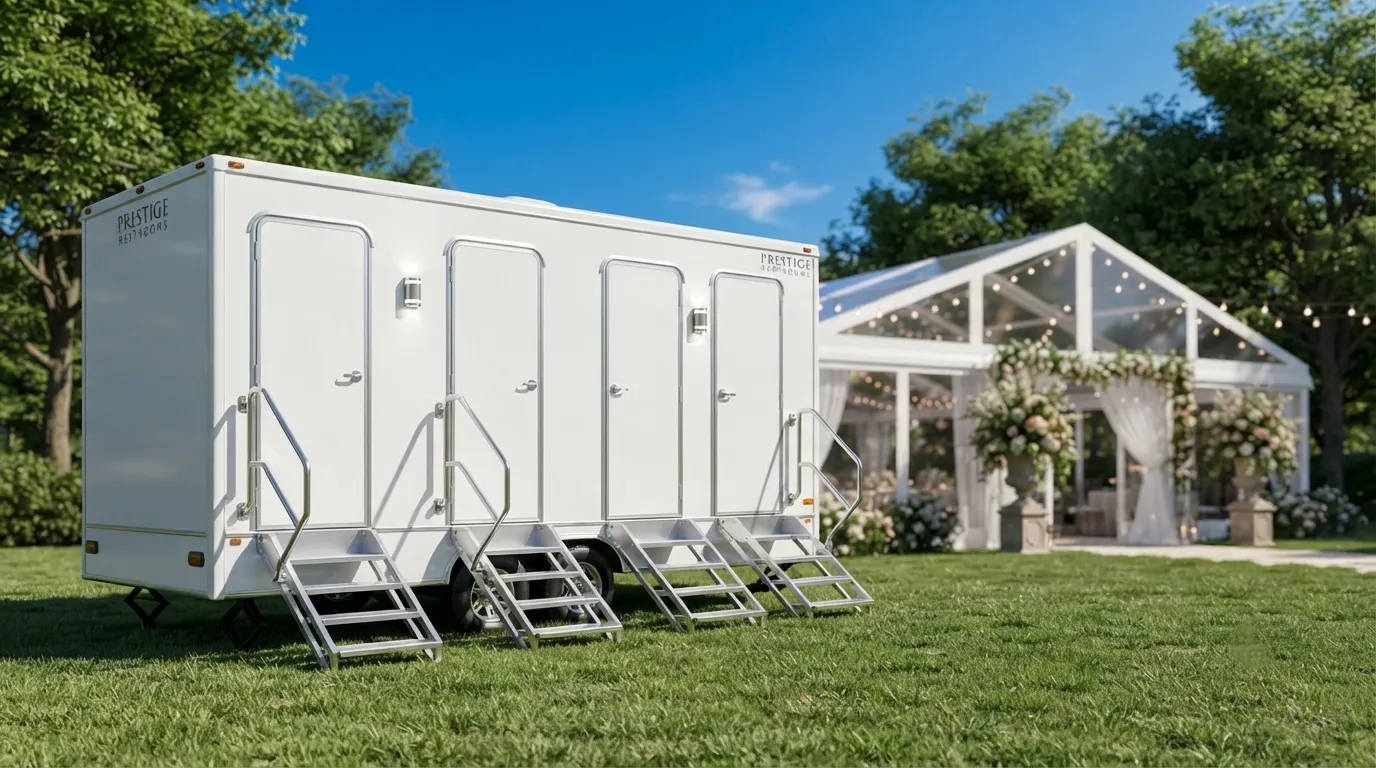
OSHA 1926.51(c) is the rule that actually governs job site toilets, and it works on a sliding scale. Crews of 20 or fewer need one toilet facility. Once you cross 20 workers, the requirement moves to one toilet seat and one urinal per 40 workers, and at 200 or more workers it drops to one seat and one urinal per 50. That's not a guess, it's the table OSHA publishes, and it's the same math whether you're bidding a job in Quincy or answering a question about construction portable toilet rental near Texas or California crews working under similar federal rules. Cal/OSHA follows a comparable structure for California sites, though the state agency issues its own version rather than adopting the federal table outright. If your site also handles paint, coatings or pesticide work, 1926.51(f)(1) kicks in separately and requires washing facilities for that contaminant exposure, which is a different obligation from general toilet counts. We size crews against OSHA portable toilet requirements before we quote, and if you're not sure how many units that math produces, the how many porta potties do I need guide walks through it with worker counts instead of guesswork.
How Much Does Portable Toilet Rental Cost for a Construction Site?
Pricing depends on unit type, rental length and how many stops the route takes. A standard unit runs about $100 to $150 a day or $130 to $500 a week depending on service frequency, and monthly construction rentals typically land between $125 and $325. Multi-unit jobs get a lower per-unit rate than single deliveries, and adding an ADA-compliant unit alongside your standard bank costs more per week but keeps the site compliant with accessible-route requirements. Full pricing breakdowns live on the porta potty rental cost and monthly porta potty rental pages, and if you're comparing day rates against week rates before committing to a duration, the porta potty rental per day page has that split out too.
| unit | day | week | month |
|---|---|---|---|
| standard | $100-$350 | $130-$500 | $125-$325 |
| ada | $200-$400 | - | - |
| deluxe | $85-$1,200 | $150-$290 | - |
Delivery adds a separate fee, generally $100 to $150 for a single day drop and $120 to $420 if the unit stays for a month of servicing. Every quote for a Quincy site factors in truck access, because a roll-off or trailer delivery needs about 60 feet of straight clearance behind the vehicle to set down safely.
What Other Site Services Does a Construction Crew Need Beyond Toilets?
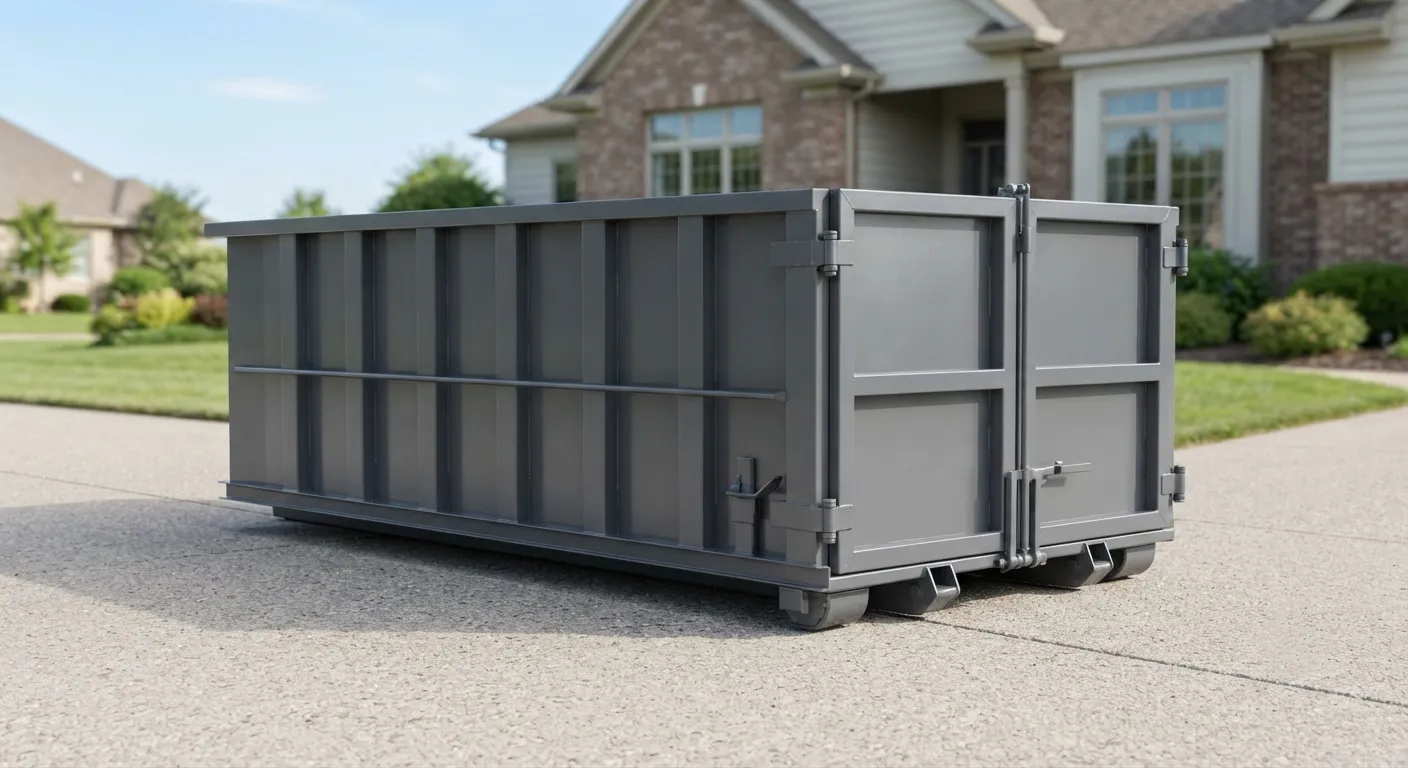
Toilets are the piece everyone asks about first, but a compliant, functional site usually needs three or four more categories running at the same time. Debris has to go somewhere, and OSHA 1926.25 requires scrap and debris cleared from work areas, which is where a roll-off dumpster rental earns its keep. A 20 yard box handles most residential and small commercial jobs; bigger demolition or framing work usually calls for 30 yard dumpster rental or the 40 yard dumpster rental option. Dumpster rates run $91 to $500 a month depending on size and haul frequency, and the dumpster rental cost and dumpster weight limits pages cover what pushes a job into overage charges.
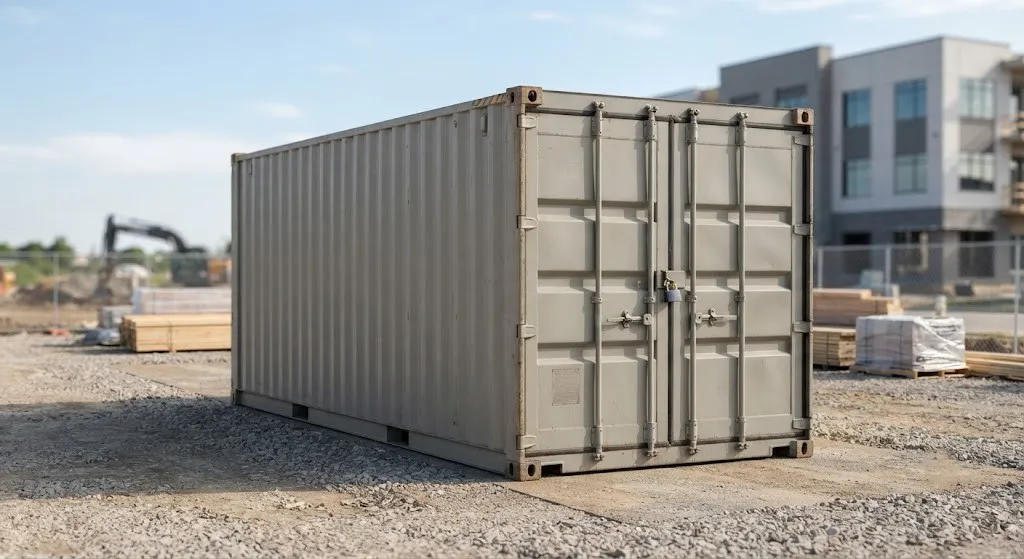
Perimeter control matters too. Temporary fence rental at roughly $30 to $75 a day keeps the public off an active Quincy site and satisfies the barricade intent behind OSHA 1926.202, which calls for site protection conforming to ANSI D6.1. Where crews are mixing paint, coatings or pesticide applications, 1926.51(f)(1) requires washing facilities for that contaminant exposure specifically, and a handwashing station rental or portable sink rental covers it alongside the general potable water supply OSHA 1926.51(a)(1) requires on every site. Storage for tools and materials is often overlooked until week two; a storage container rental or mobile office trailer rental solves that without a second delivery truck fighting for the same laydown space.
Do I Need an ADA-Compliant Unit on My Construction Site?
Not every job site needs one, but public-facing sites and any project with a visitor path usually do. ADA Standards 213.2 requires that where portable units are clustered, at least 5 percent, and never fewer than one, be an accessible unit. That single-unit minimum trips up smaller Quincy crews who assume ADA rules only apply to large sites. Our ADA accessible porta potty units meet the 36 inch clear route width called out in ADA Standards 403.5.1 and the 60 inch turning circle in 304.3.1, and they run $200 to $400 a day. If your project sits within Braintree Town's 4.7 mile radius from central Quincy or closer to Weymouth Town, about 6.4 miles southeast, delivery logistics stay simple and we can usually route it onto an existing service day.
Beyond toilets, most active sites eventually need light tower rental for early or late shifts and a temporary power pole before permanent utilities land, both of which pair naturally with the sanitation and fencing already on order. For sites without steady water access, a holding tank rental or septic pumping service keeps things running without a fixed hookup. We serve Quincy directly and route through Braintree Town and Weymouth Town on the same trucks, with Somerville, Everett and Malden covered on separate routes further north.
Frequently asked questions
How many porta potties does a 20-person construction crew need?
One toilet facility covers a crew of 20 or fewer under OSHA 1926.51(c). Once you add workers past that threshold, the ratio shifts to one seat and one urinal per 40 employees. Most Quincy contractors add a second unit anyway once a crew nears 15 to 18 people, since turnover and breaks compress usage into the same hours.
Can I rent just a dumpster and skip the porta potty?
Yes, plenty of crews order sanitation and waste services separately depending on job phase. A roll-off dumpster rental can run alone during demo weeks, then toilets get added once the crew size grows. We invoice each service independently so you're not locked into a bundle you don't need yet.
What size dumpster fits a typical home renovation job?
Most renovation crews land between a 20 yard and 30 yard box, depending on how much drywall, flooring and framing debris the job generates. The dumpster sizes and dimensions page breaks down footprint and height for each size. Confirm placement against dumpster permit requirements before delivery day.
Do I need a permit to place a porta potty on a public street in Quincy?
Placement in the public right of way needs confirming with the city before delivery, since local permit rules vary and aren't something we guess at. Check the porta potty permit requirements page for what to ask, and we'll help coordinate placement once you've confirmed with the relevant Quincy department.
How often do construction toilets get serviced?
Standard service follows a once-per-week baseline for units seeing moderate use, per ANSI/PSAI Z4.3, though busier sites often need twice-weekly visits. Crew size and hours worked both push that interval tighter. The how often are porta potties cleaned page covers what changes the schedule.
Next step
Get a delivery date
Tell us the address, the dates and the headcount. We size the order and confirm the route.